A Journey Through Time: The Evolution of Eyewear Design

by admin
0 comment

Eyewear has come a long way from its humble beginnings as a purely functional item designed to improve vision. Over the centuries, it has transformed into a powerful fashion statement, reflecting personal style, cultural shifts, and technological advancements. This journey through time explores how eyewear has evolved, shaped by historical influences and modern innovations.

Historical Beginnings

The origins of eyeglasses date back to the 13th century, with early designs like the pince-nez, monocles, and the first spectacles. These rudimentary optical devices were primarily functional, crafted to correct vision rather than make a fashion statement.

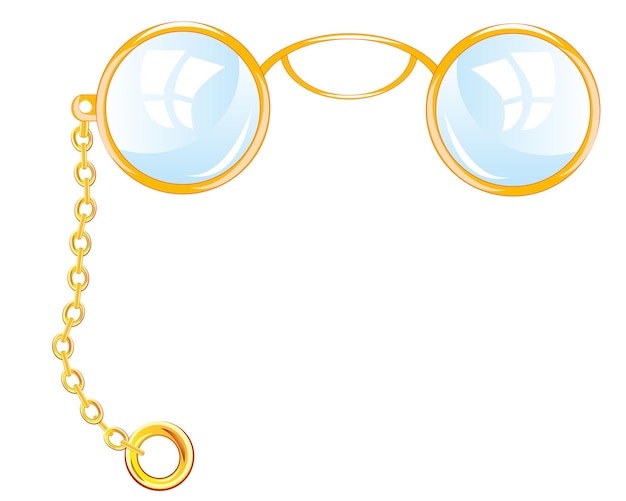
Pince Nez

Popular in the late 19th and early 20th centuries, the pince-nez, meaning "pinch nose" in French, was a style of glasses that lacked earpieces, instead being held in place by pinching the bridge of the nose. Made from materials like metal and tortoiseshell, these glasses were both practical and discreet.
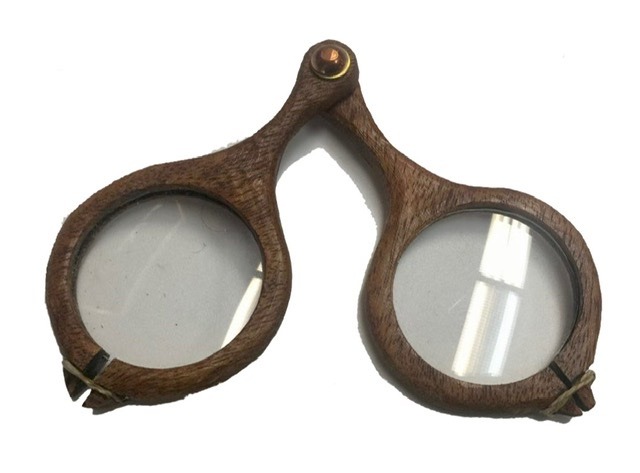
First Spectacles

The first spectacles, which appeared in Italy during the 13th century, were simple convex lenses mounted in frames of wood or horn. These spectacles were typically balanced on the nose and held in place by hand.
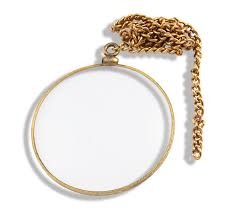
Monocles

A symbol of aristocracy in the 19th century, the monocle was a single lens designed to be held in place by the eye socket's muscles. It was often associated with the upper class and was crafted from precious metals, often adorned with a chain or cord.
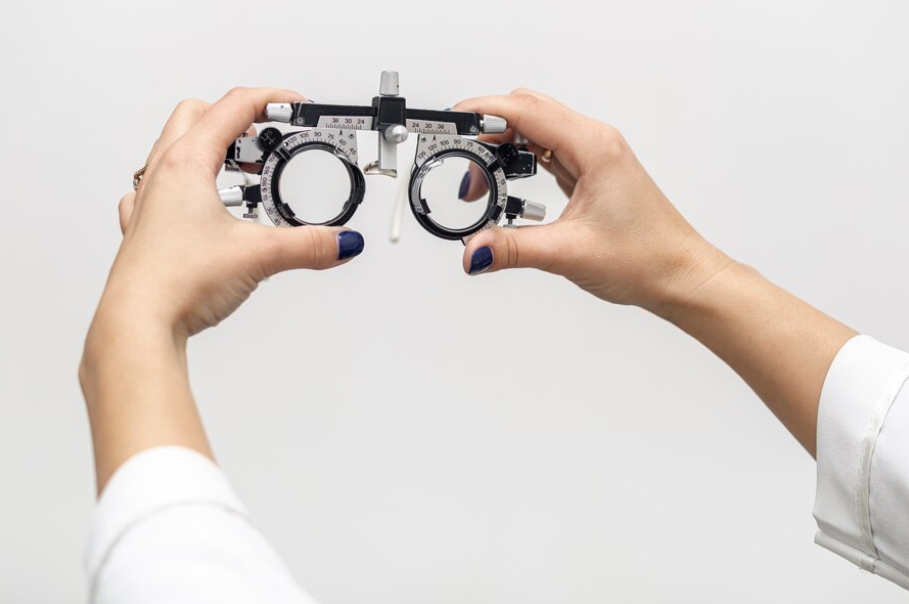
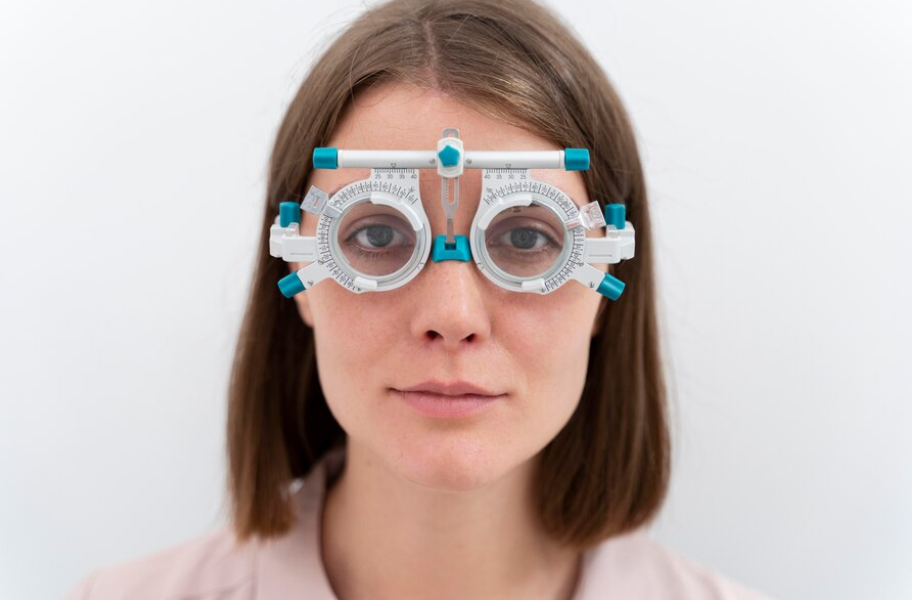
These early designs were groundbreaking at the time, but they were far from the comfortable and stylish eyewear we know today. The materials were often heavy and rigid, making them cumbersome to wear for extended periods.

20th Century Innovations

The 20th century brought about significant changes in eyewear design, driven by technological advancements, changing fashion trends, and the influence of celebrity culture.

Iconic Styles

The 20th century saw the rise of iconic eyewear styles that remain popular today. Aviators, introduced in the 1930s for pilots, quickly became a symbol of coolness and rebellion, popularized by Hollywood stars like Tom Cruise in Top Gun. Cat-eye frames, with their distinctive upswept outer edges, became synonymous with femininity and glamour, worn by style icons like Marilyn Monroe.

Celebrity influence

As celebrities began to embrace eyewear as a fashion accessory, glasses evolved from being purely functional to a symbol of personal style. Stars like John Lennon, with his round wireframes, and Audrey Hepburn, with her oversized sunglasses in Breakfast at Tiffany’s, turned eyewear into a must-have fashion item.

These developments marked a shift in how eyewear was perceived, transforming it into an essential part of one’s wardrobe, capable of conveying personality and status.

Technological Advancements

As technology advanced, so did the materials and manufacturing processes used in eyewear, leading to more comfortable, durable, and stylish options.

  • Materials: The introduction of lightweight plastics and high-strength metals like titanium revolutionized eyewear design. These materials allowed for thinner, lighter frames that were more comfortable to wear. Acetate, a type of plastic derived from plants, became popular for its flexibility, durability, and the ability to be produced in a wide range of colors and patterns.
  • Lens Technology: The development of advanced lens technologies further enhanced the functionality of eyewear. Photochromic lenses, which darken in sunlight and clear up indoors, provided convenience and protection for wearers. Anti-reflective coatings reduced glare, improving vision clarity and comfort, particularly for night driving and screen use.

These innovations not only improved the practicality of eyewear but also allowed for greater creativity in design, leading to a broader range of styles and options for consumers.

The future of Eye-wear

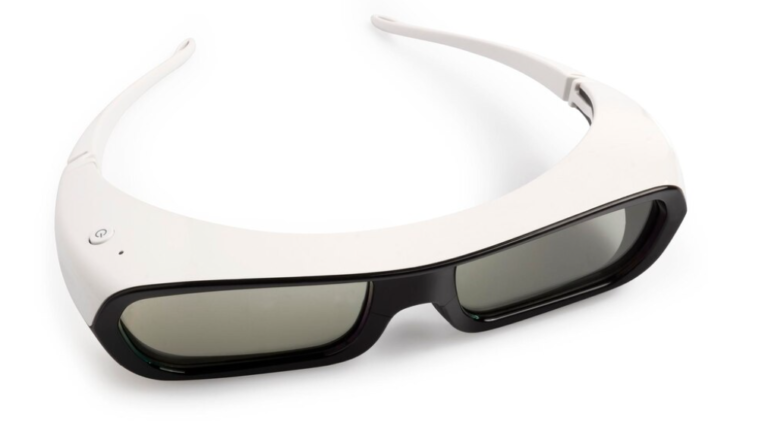
Looking ahead, the future of eyewear design is likely to be shaped by emerging technologies like smart glasses and augmented reality (AR).

  • Smart Glasses: With tech giants investing in smart glasses, the integration of technology into eyewear is set to transform how we interact with the world. These glasses, equipped with features like built-in displays, voice assistants, and health monitoring, will blur the line between fashion and technology.
  • Augmented Reality: AR glasses, which overlay digital information onto the real world, have the potential to revolutionize industries from gaming to healthcare. As the technology becomes more refined and accessible, AR glasses could become a staple in everyday life, offering new ways to experience and interact with our surroundings.

These innovations suggest that eyewear will continue to evolve, offering new possibilities that go beyond vision correction and fashion, and into the realm of enhanced experiences and connectivity.

Conclusion

The evolution of eyewear design is a testament to the creativity and innovation that has shaped this essential accessory over centuries. From the earliest spectacles to the latest smart glasses, eyewear has continuously adapted to meet the changing needs and desires of consumers. As we look to the future, it’s clear that eyewear will remain at the forefront of both fashion and technology, offering ever more exciting and personalized options for everyone.

You may also like

Leave a Comment