

These days, we’re all glued to our screens—whether it’s for work, entertainment, or staying connected with loved ones. With this increased screen time comes a rise in concerns about blue light exposure and its effects on our eyes and sleep. Blue light blocking glasses have become a popular solution, claiming to reduce eye strain and improve sleep quality. But do they really live up to the hype? Let’s break it down in simple terms.
Understanding Blue Light
Blue light is part of the visible light spectrum that our eyes can see, and it’s all around us—especially from digital screens like computers, phones, and TVs. While blue light during the day can help keep us alert, too much of it, particularly at night, can mess with our sleep cycle and cause digital eye strain.
Why Blue Light Matters
If you’re spending hours staring at a screen, you might have noticed your eyes feeling tired, dry, or even a bit blurry. That’s digital eye strain kicking in, and blue light is often blamed for making it worse. Plus, exposure to blue light before bed can interfere with your sleep, making it harder to doze off.

What Are Blue Light Blocking Glasses?
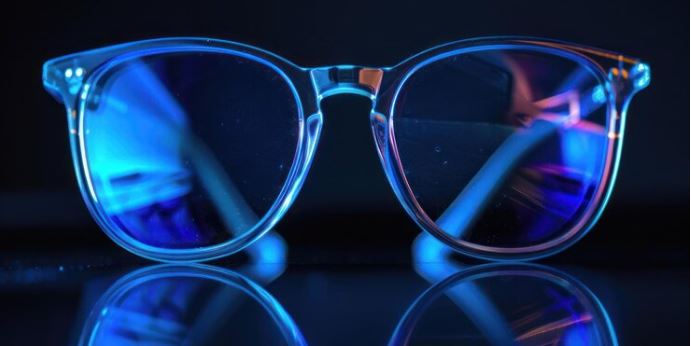
These glasses are designed to filter out or block a portion of the blue light that comes from screens. The goal? To make your screen time easier on the eyes and help you sleep better at night.
Do They Really Work?
Let’s look at what people are saying and what the research shows.
(1) Easing Eye Strain
Many folks who use blue light glasses report less eye strain and discomfort, especially if they’re working on a computer all day. While scientific studies show mixed results, the personal feedback suggests that these glasses can indeed make a difference, mainly by reducing the glare from screens.
(2) Better Sleep
There’s good evidence that too much blue light at night can throw off your sleep by affecting melatonin, the hormone that tells your body it’s time to sleep. Blue light glasses, especially those with amber-tinted lenses, can help by blocking that sleep-disrupting blue light, making it easier to wind down and get a good night’s rest.
(3) Long-Term Eye Health
Some experts are concerned that long-term blue light exposure might harm your eyes over time, potentially leading to conditions like macular degeneration. While the research isn’t conclusive, wearing blue light glasses could be a smart move to protect your vision as a precaution.
Should You Try Blue Light Glasses?
If your eyes are feeling the strain from all that screen time, or if you’re having trouble sleeping after using your devices at night, blue light blocking glasses might be worth a shot. They’re not a miracle fix, but many people find them helpful. Just remember to pair them with other good habits, like taking regular breaks from your screen and adjusting your workspace lighting.
And if you’re thinking about giving blue light glasses a try, SpecsCraft offers a range of stylish and effective options that can help you protect your eyes without sacrificing your style. Check out their collection and see how they can make your screen time more comfortable.
In the end, blue light glasses are just one tool in your toolbox for better eye health and sleep. But with the right pair, you might find that those long days in front of the screen feel a little less taxing.
